A water bill that jumps for no obvious reason is one of the more unsettling things a homeowner can open in the mail. Nothing has changed. No new appliance, no extra houseguests, no obvious leak anywhere in sight. But the number is higher, sometimes a lot higher, and there is no clear explanation. In most cases, a sudden spike in your water bill means water is escaping somewhere you cannot see it. The most common causes are a running toilet, a slowly leaking fixture, or a slab leak under the foundation.
Key Takeaways
- A sudden, unexplained water bill increase almost always means water is escaping somewhere in the system.
- Check toilets first. A worn flapper or fill valve is the most common cause and the easiest to fix.
- A simple meter test with all water off can confirm whether a leak exists before you call anyone.
- Huntsville’s clay soil makes slab leaks more common than in many other areas, especially in older homes.
- Professional leak detection can locate a hidden leak without tearing up floors or walls.
Start With the Easiest Explanation: A Running Toilet
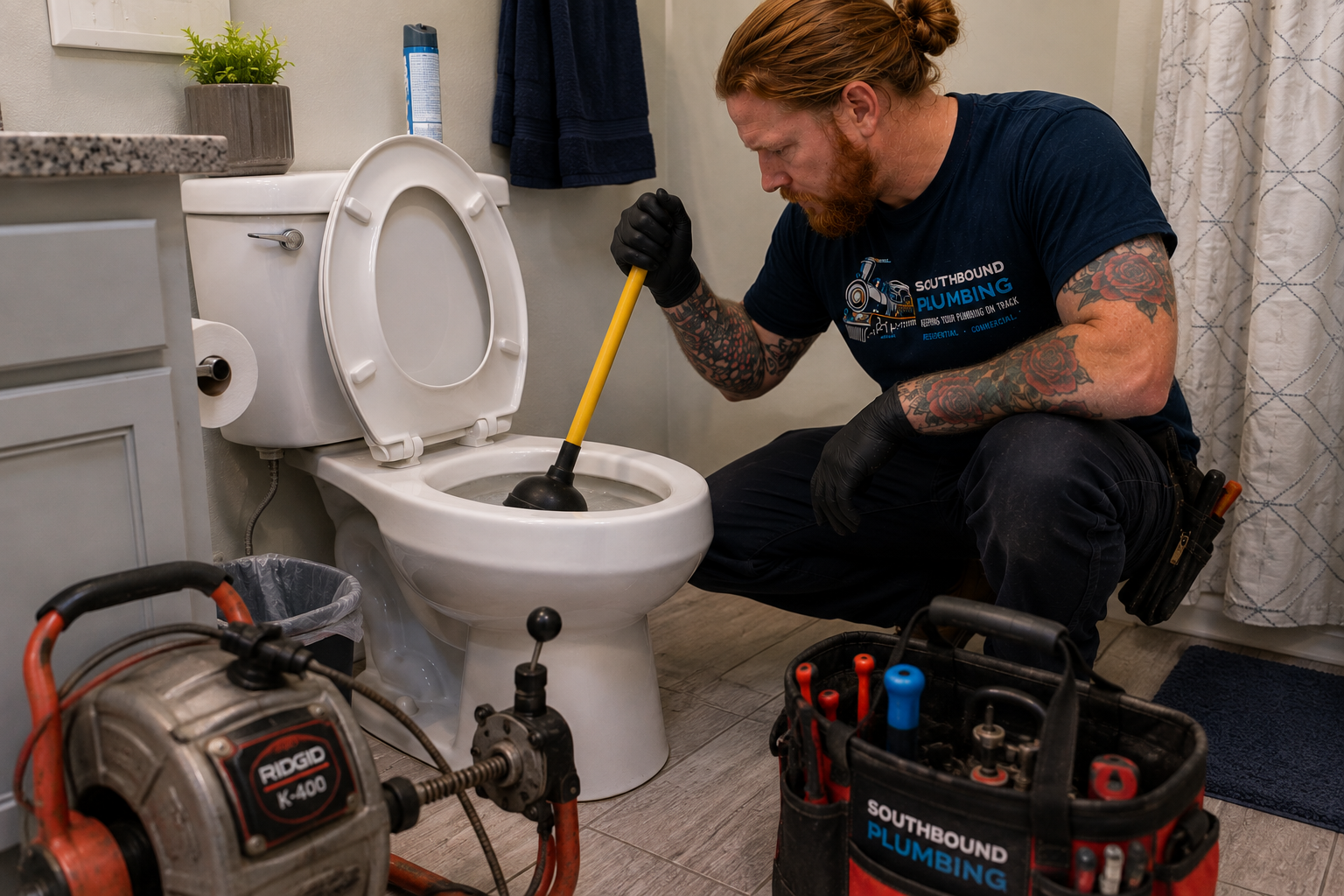
A toilet that runs intermittently, or runs quietly enough that you do not notice it, is the single most common cause of an unexplained water bill increase. A worn flapper valve or a fill valve that will not fully shut off can waste a significant amount of water every day, and most homeowners never hear it because the sound is subtle.
If you have not already, it is worth checking each toilet in the house for signs of running. This is the first thing to rule out before looking at anything more involved.
Next, Check for Slow Fixture Leaks
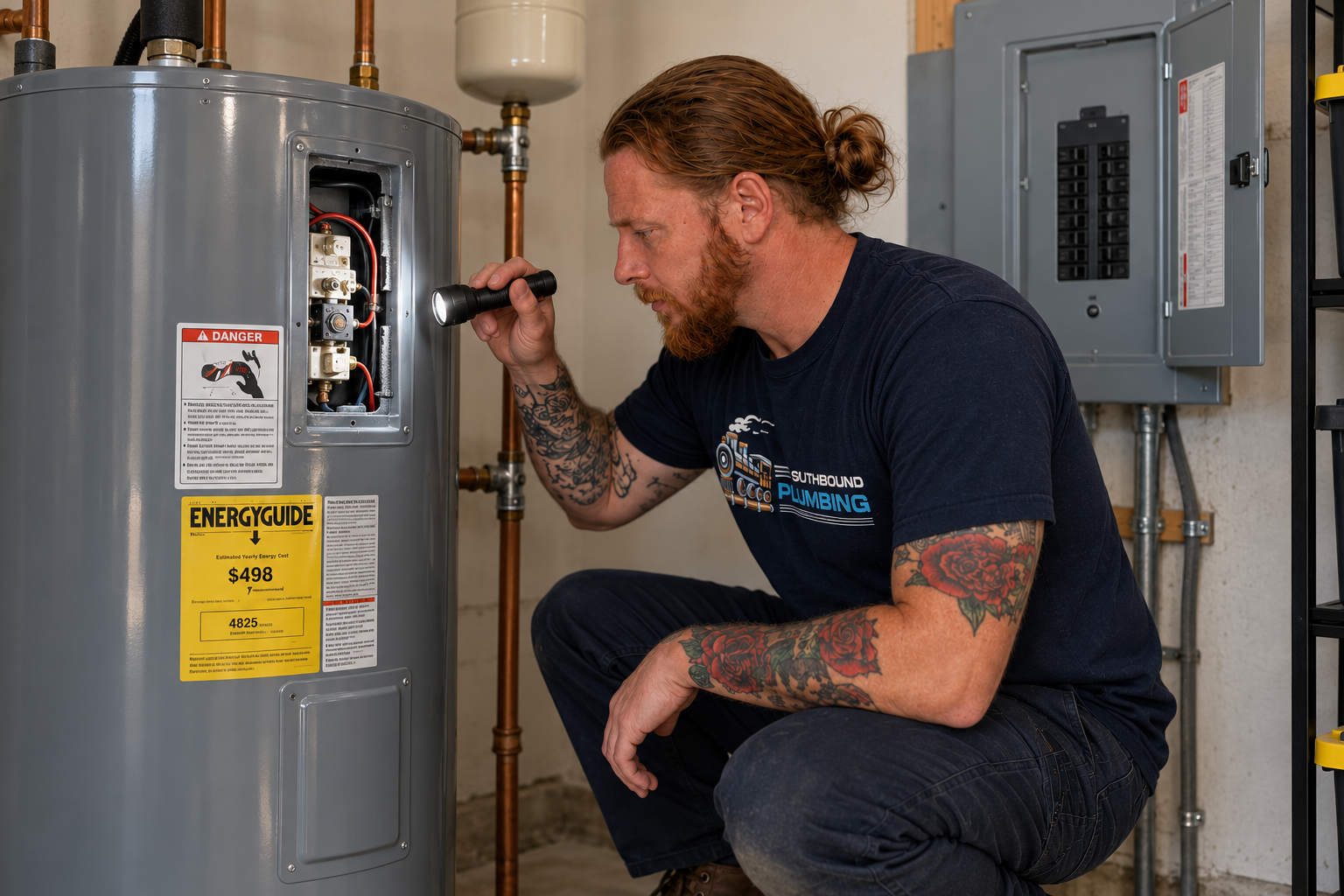
A dripping faucet or a slowly weeping supply line under a sink does not always announce itself. Water can trickle for weeks before it stains a cabinet floor or leaves a noticeable smell. Walk through the house and check under every sink, behind the washing machine, and around the water heater for dampness, mineral buildup, or a faint musty smell. These leaks are usually an easy fix once found, but they are easy to miss if you are not looking specifically for them.
When It Might Be a Slab Leak
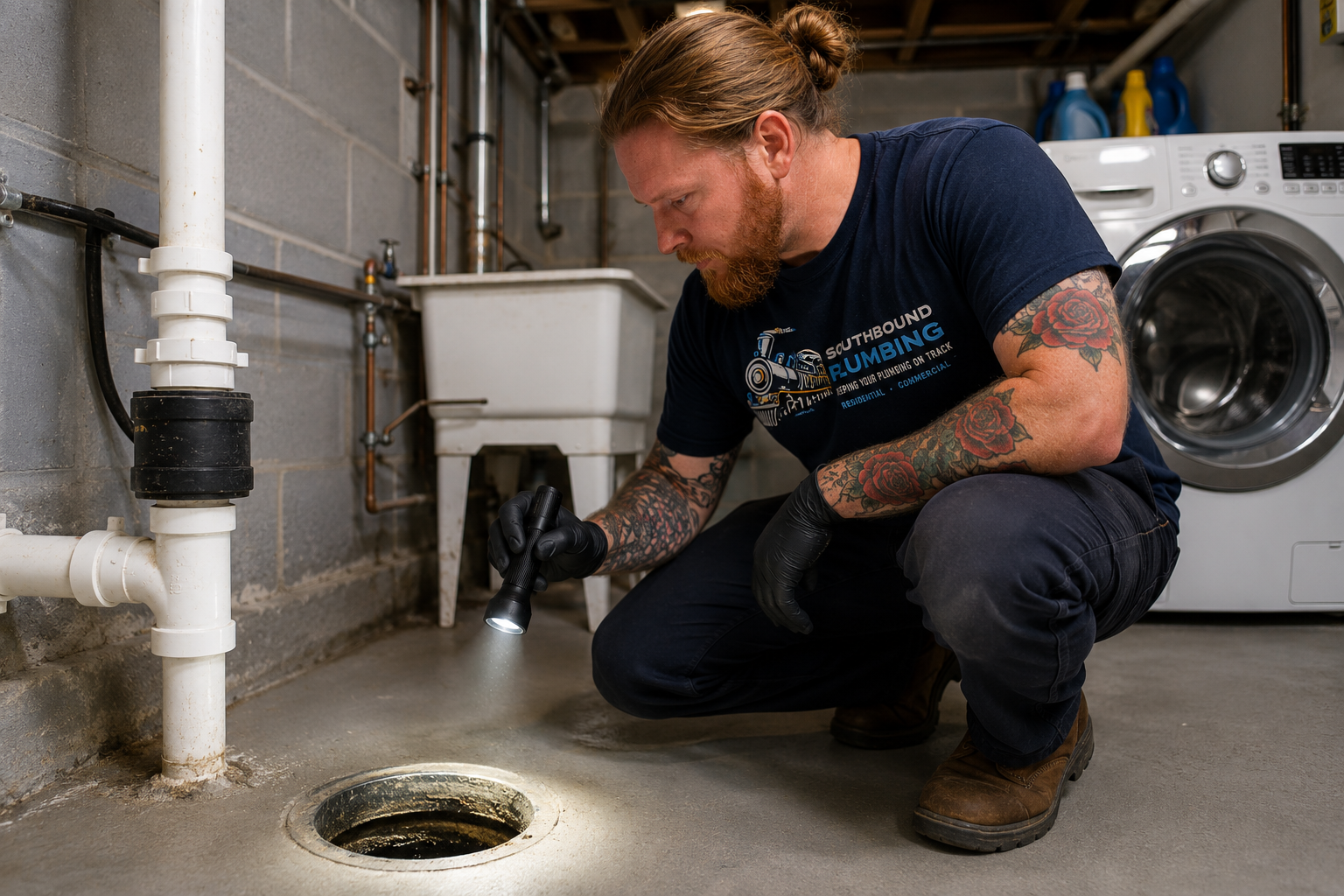
If you have ruled out the toilets and checked the visible fixtures and the bill is still climbing, the next possibility is a leak under the concrete slab. This is more serious, and it is also more common in Huntsville than a lot of homeowners realize, largely because of the clay soil found across much of North Alabama. Clay soil shifts with moisture changes, and that movement puts stress on the pipes running underneath a home’s foundation, especially in older homes with cast iron lines in neighborhoods like Five Points and Downtown.
Signs that point toward a slab leak include a warm spot on the floor with no obvious source, the sound of running water when every fixture in the house is off, cracks appearing in flooring or drywall, and a musty smell with no visible moisture.
A Simple Way to Narrow It Down Yourself
Before calling anyone, there is a quick test you can run. Make sure no water is being used anywhere in the house, then find your water meter and check whether the leak indicator dial is moving. If it is turning even slowly with everything off, water is escaping somewhere in your system. This will not tell you where the leak is, but it confirms that one exists.
When to Call a Plumber
If the meter test confirms a leak but you cannot find a source anywhere visible, that is the point to stop guessing and call in a professional leak detection service. Modern leak detection equipment can locate a hidden leak, including one under a slab, without tearing up floors or walls to search for it. The earlier a hidden leak is found, the less damage it does to your foundation, flooring, and water bill.
Frequently Asked Questions About High Water Bills
Could my water bill be high because of a rate increase and not a leak?
It is possible, and it is worth checking your utility’s rate schedule or a recent notice before assuming a leak. That said, a spike that is significantly larger than a typical rate adjustment usually points to a leak somewhere in the system rather than a pricing change.
How much water can a running toilet actually waste?
A running toilet can waste a substantial amount of water over the course of a month, often enough to noticeably move the bill, even if the sound is too quiet to hear. This is why it is usually the first thing worth ruling out.
Can a slab leak get better on its own?
No. A slab leak will not resolve itself and tends to get worse over time as the surrounding soil and foundation continue to be affected by the moisture. Addressing it earlier generally limits the amount of damage and repair involved.
Does homeowner’s insurance typically cover slab leak repair?
Coverage varies by policy and provider, so this is worth confirming directly with your insurance company. Some policies cover the resulting damage but not the underlying pipe repair itself, so it is worth understanding the details of your specific policy before assuming what is or is not covered.
Bottom Line
An unexplained water bill increase is your plumbing system telling you something, even when nothing looks wrong on the surface. Ruling out the simple causes first and confirming with a meter test can save time, and calling in professional leak detection when the source is not obvious can prevent a lot of downstream damage.