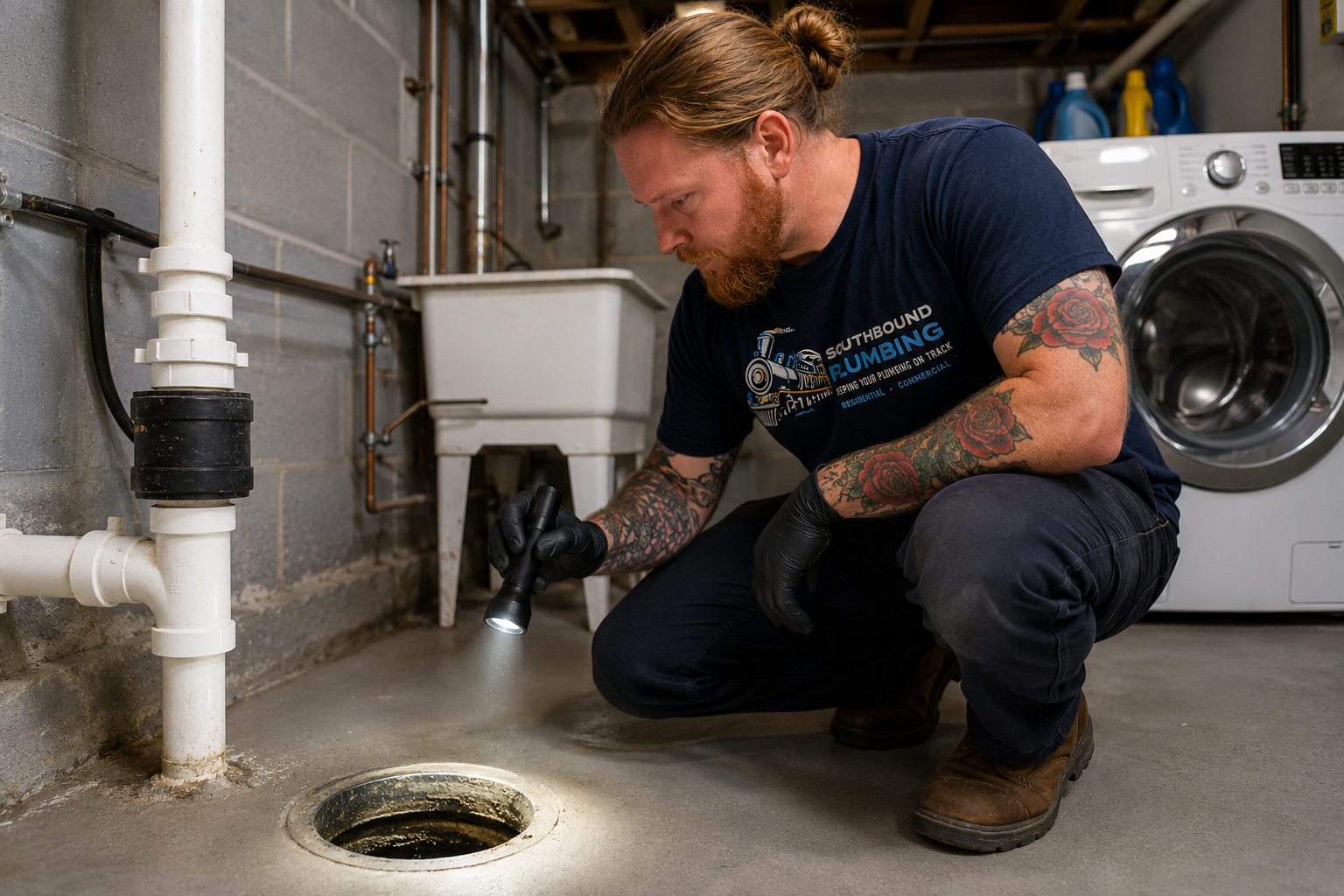
A commercial plumbing maintenance plan is a written schedule for inspecting and servicing the parts of your building’s plumbing that fail on a predictable timeline: drains, grease traps, water heaters, restroom valves, and shutoffs. The point is simple. Planned work happens on your schedule, at a time that does not close your doors. Emergency work happens on the building’s schedule, usually at the worst possible moment.
October is a smart time to build or revise that plan. Most restaurant groups, property managers, and office operators set next year’s maintenance budget in the fourth quarter, and a schedule with real line items is easier to fund than a general “plumbing repairs” bucket.
Why Commercial Plumbing Needs Its Own Maintenance Plan
A commercial building puts more demand on its plumbing than a house ever will. Restrooms see dozens or hundreds of flushes a day. Kitchen drains carry grease and food solids through every shift. Water heaters run close to capacity from open to close. That volume means wear shows up faster, and when something fails, the cost is not only the repair. It is closed restrooms, a kitchen that cannot run, and customers who go somewhere else. Our breakdown of what breaks most in a commercial kitchen covers the failure points restaurants see most often.
A Starting Commercial Plumbing Maintenance Checklist
The intervals below are a starting point. Your actual schedule depends on your building, your usage, and what your equipment manufacturer recommends. A busy restaurant will need some items far more often than a quiet office.
| Interval | What to schedule |
|---|---|
| Monthly | Walk-through for visible leaks, running toilets and urinals, slow drains, and water stains on ceilings or walls |
| Quarterly | Floor drain inspection and trap primer check; grease trap inspection (more often for high-volume kitchens) |
| Twice a year | Main line and kitchen line drain cleaning for restaurants; flushometer and urinal valve inspection |
| Annually | Commercial water heater flush and relief valve test; exercise main and fixture shutoff valves; full fixture and supply line review |
What Each Maintenance Item Covers
Grease Traps and Interceptors
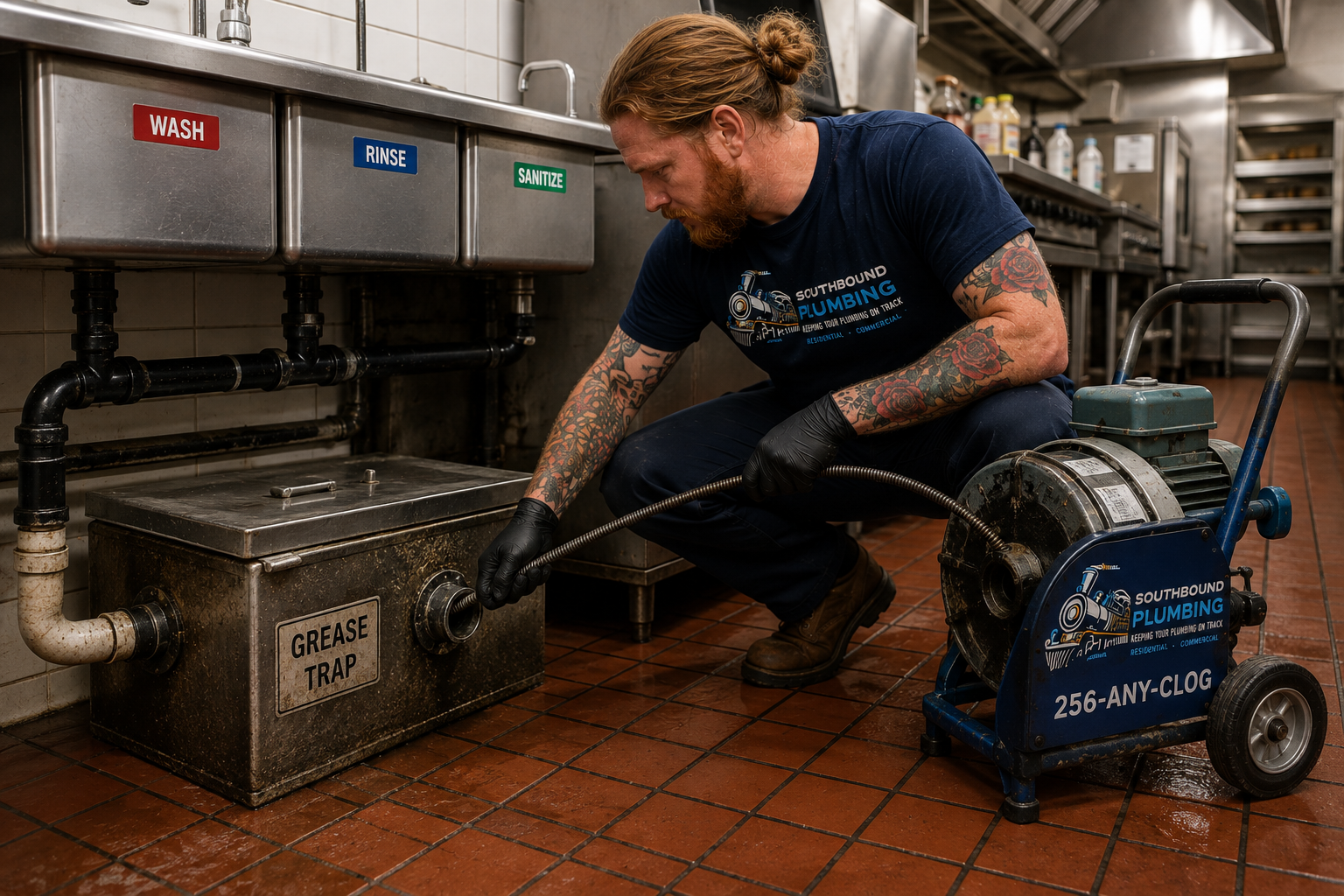
For food service, the grease trap is the single most important item on the calendar. When a trap is overdue, grease moves past it into your lines and hardens, and that is how a routine service turns into a backed-up kitchen. Service frequency depends on your trap size and cooking volume. Our guide to grease trap maintenance and service intervals goes into detail on how to set yours.
Floor Drains and Trap Primers
Floor drains in kitchens, restrooms, and mechanical rooms rely on a small amount of water sitting in the trap to block sewer gas. A trap primer is a device that adds water to that trap automatically so it does not dry out. When a primer fails or a drain is rarely used, the trap dries and sewer odor comes up into the room. Checking primers and cleaning floor drains on a regular schedule prevents both odors and backups, and our commercial drain cleaning keeps those lines moving.
Flushometers and Urinals
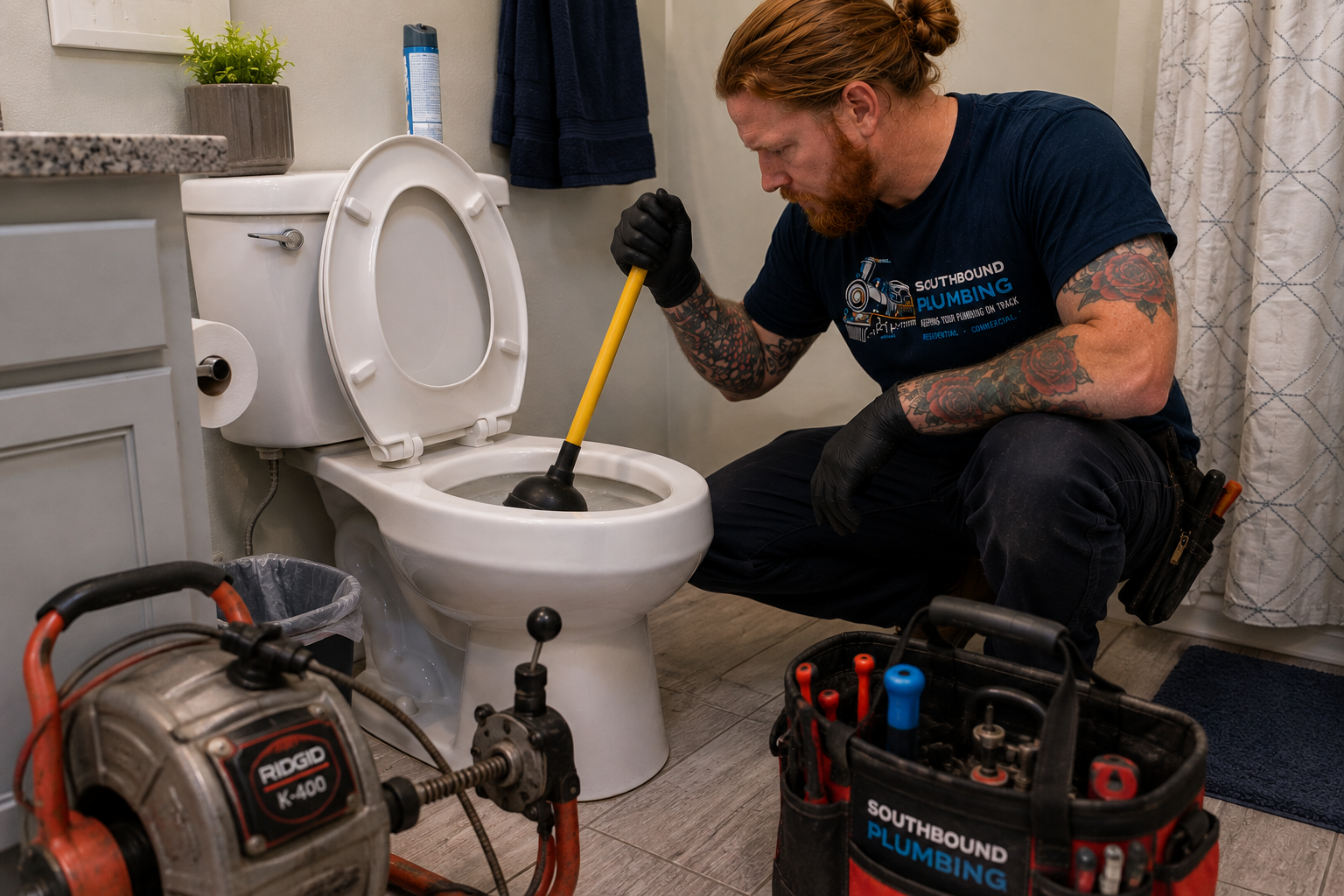
A flushometer is the handle-operated or sensor valve on commercial toilets and urinals. Its internal diaphragm wears out with heavy use, which leads to weak flushes, valves that keep running, or fixtures that will not shut off. A running flushometer can waste a surprising amount of water before anyone reports it. Regular inspection catches worn parts before they turn into an out-of-order sign.
Commercial Water Heaters
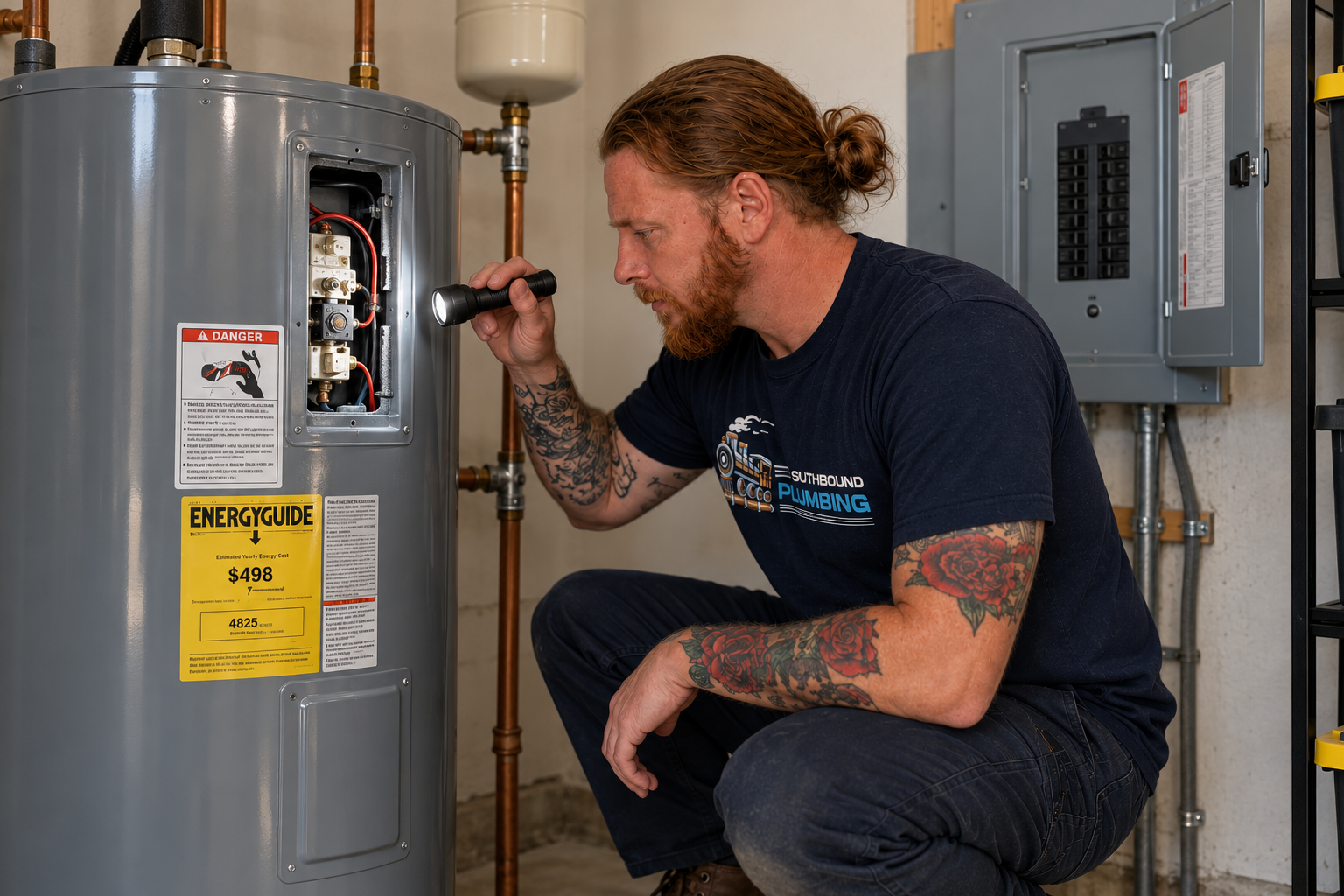
Sediment settles in the bottom of a water heater over time, and in a commercial unit working hard all day, that buildup shortens its life and cuts its efficiency. An annual flush, along with a test of the temperature and pressure relief valve, keeps the unit running longer and flags problems before they cost you a morning of cold water. Our water heater service covers commercial tanks as well as residential.
Shutoff Valves
Every building needs shutoff valves that actually close when you need them. Valves that sit untouched for years can seize open. Exercising them once a year, turning each valve closed and open again, makes sure your staff can stop a leak fast instead of waiting for help to arrive.
Required Testing
Many commercial properties have compliance items tied to plumbing, such as annual testing of backflow prevention assemblies. Check with your water provider about what applies to your building and keep those dates on the same calendar so nothing lapses.
Making Your Plumbing Maintenance Plan Work
A maintenance schedule only helps if someone owns it. Assign one person to keep the calendar, keep records of each service visit, and track repeat problems. Repeat issues at the same fixture or line usually mean a bigger repair is coming, and it is better to budget for it now than discover it during a Friday dinner rush.
Commercial Plumbing Services in Huntsville
Southbound Plumbing provides commercial plumbing services for restaurants, offices, and retail spaces across Huntsville, Madison, and Research Park. Every job is led by a licensed Alabama master plumber (MP4724), our 24/7 emergency plumber line is open when something cannot wait, and we quote flat-rate pricing before work begins. We can walk your building, look at your current service history, and help you put together a maintenance schedule that fits how your business actually runs.
Frequently Asked Questions
What does commercial plumbing maintenance include?
Regular inspection and service of drains, grease traps, floor drains, restroom valves, water heaters, and shutoff valves, plus tracking any required compliance testing.
How often should a restaurant have its drains cleaned?
It depends on volume and menu, but many restaurants benefit from scheduled line cleaning at least twice a year, with grease traps serviced more often.
Why do commercial floor drains smell like sewer?
Usually the trap has dried out, often because a trap primer failed or the drain rarely gets water. Restoring the water seal typically solves it.
When is the best time to set up a maintenance plan?
Fourth quarter works well because it lines up with budgeting for the coming year, and it puts service ahead of the busy holiday season for restaurants.
Ready to Put Your Building’s Plumbing on a Schedule?
Your neighbors at Southbound will walk the building with you and put a flat-rate quote in writing before any work begins.
Call (256) 269-2564 or https://southbound-plumbing.com/contact/.